botanicals
What is guayusa, and why is Europe paying attention?
22 March 2026
Every morning, before dawn, Kichwa communities in the Ecuadorian Amazon gather around a fire to drink guayusa together. They share dreams, tell stories, and pass down knowledge through the ritual of the cup. This practice has been happening for at least 1,500 years. The rest of the world is only now beginning to catch up.
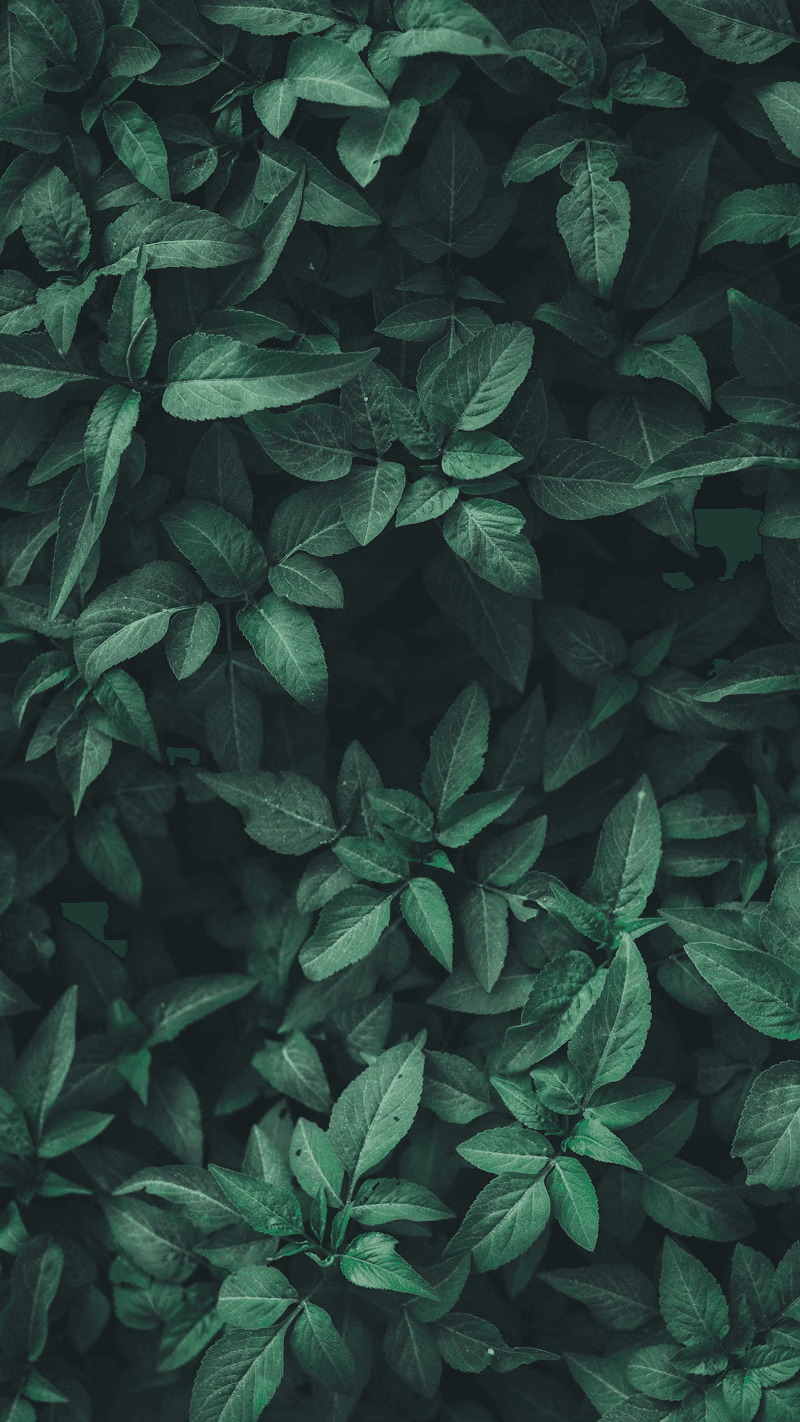
Guayusa — pronounced gwhy-YOU-sa — is a holly tree native to the upper Amazon basin of Ecuador. Its leaves contain a combination of natural caffeine, L-theanine, and antioxidants that produces something coffee drinkers will find deeply familiar, and deeply different: energy without the edge, focus without the anxiety, alertness without the crash that follows a double espresso at 9am.
This is not marketing language. It is chemistry. L-theanine is an amino acid found in green tea that promotes calm, sustained alertness. It is the reason green tea drinkers often report a different quality of focus compared to coffee drinkers. Guayusa contains significant amounts of L-theanine alongside its caffeine — which is why the Kichwa describe the experience not as stimulation, but as clarity.
The wellness industry has noticed. In the past five years, guayusa has moved from complete obscurity to a growing presence in European health food stores, specialty tea shops, and online retailers. Germany in particular — with its sophisticated consumer base and deep appetite for functional, origin-traceable products — has seen strong early growth.
What makes guayusa different from other wellness trends is that it does not require a new agricultural system or a new farming community. The Kichwa have been cultivating it for millennia in traditional agroforestry gardens called chacras — systems that mimic the forest rather than replacing it, growing guayusa alongside yuca, plantain, cacao, and dozens of other species. There is no monoculture. There is no deforestation. There is no disruption to a community that has never stopped drinking it.
Urkaya's guayusa comes from Miguel Tapuy's family chacra in Napo Province and the network of fifteen Kichwa farming families he coordinates with. When you buy a bag of Urkaya guayusa, you are participating in an economy that has existed for over a thousand years — and helping to ensure it exists for a thousand more.