The People Behind the Pieces
Every hand that shapes Urkaya has a name.
We do not source from anonymous suppliers. We work with partners — skilled craftspeople whose expertise, communities, and livelihoods are inseparable from every product we sell. These are some of the people behind the pieces.

TechniqueContemporary tagua jewellery, mixed-material design
MaterialsTagua, silver wire, recycled brass
CommunityQuito jewellery mentorship programme, 8 students
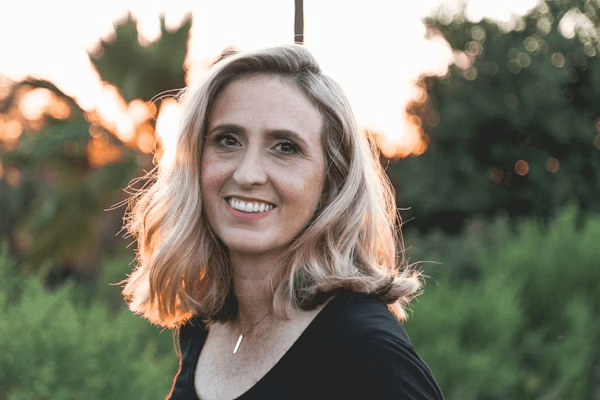
Jewellery Artisan
Ana Morales
Quito, Pichincha Province
“I trained as a goldsmith. Then I discovered tagua — and realised that vegetable ivory demands the same respect as precious stone.”
Ana is the bridge between tradition and contemporary design in the Urkaya collection. Based in Quito, she trained formally as a goldsmith before discovering tagua and recognising its potential for sophisticated, minimalist jewellery. Her pieces are quieter and more architectural than Rosa's, appealing to a different segment of the market. Ana mentors young women from rural Ecuador in jewellery-making through a skills programme funded in part by Urkaya sales. Three of her students have now joined the Urkaya production network as independent artisans.
TechniqueTreadle-loom weaving, natural dyeing
MaterialsSheep wool, alpaca, organic cotton; plant-based dyes
CommunityOtavalo women's weaving cooperative, 12 members
Master Weaver
Carmen Quispe
Otavalo, Imbabura Province
“Every pattern is a story. When you carry the poncho, you carry the story with you.”
Carmen is a fourth-generation weaver from Otavalo, the highland town whose market has connected Andean craft with the world for centuries. She works exclusively with natural fibres and plant-based dyes — indigo, cochineal, achiote — and her treadle loom has been in her family since her great-grandmother's time. Carmen leads a cooperative of twelve weavers, all women, all from the same community. She is not a supplier — she is a co-designer. Every Urkaya textile pattern is developed in dialogue with Carmen's cooperative.

TechniqueGuayusa cultivation and processing, traditional agroforestry, sun-drying, hand-sorting
MaterialsWild-cultivated guayusa, traditional chacra agroforestry system
Community15 Kichwa farming families, Napo Province
Guayusa Cultivator
Miguel Tapuy
Napo Province, Amazon
“We wake before dawn to drink guayusa together. It has always been this way. It will always be this way.”
Miguel is a Kichwa farmer from the Amazon province of Napo, where guayusa has been cultivated and consumed for at least 1,500 years. His family's chacra — a traditional Amazonian agroforestry garden — grows guayusa alongside yuca, plantain, and cacao in a system that mimics the forest rather than replacing it. Miguel is Urkaya's primary guayusa supplier and a founding partner of the brand. He coordinates with fifteen Kichwa farming families in his community, all of whom benefit directly from Urkaya's trade relationship.
TechniqueTagua carving, floral and figurative forms
MaterialsPremium tagua, natural dyes
CommunityMontecristi artisan cooperative, 7 members
Tagua Carver
Rosa Chimbo
Montecristi, Manabí Province
“The tagua nut has a memory. You cannot force it — you have to listen to it.”
Rosa has been carving tagua in the coastal village of Montecristi for over twenty years. She learned the craft from her mother, who learned it from hers. Her specialty is floral forms — roses, hibiscus, birds of paradise — carved with a precision that no machine has replicated.
Learn More