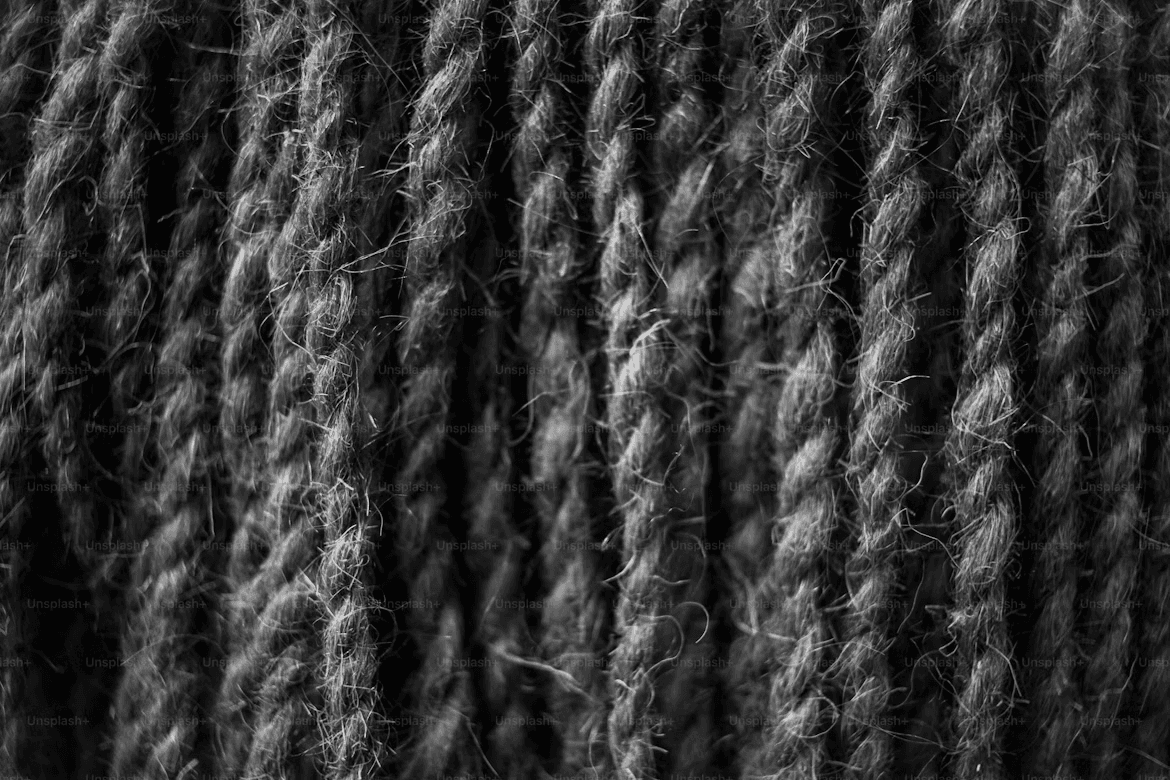
The Materials · Textiles
Woven in Otavalo. Read around the world.
Every pattern in every Urkaya textile encodes a story that is centuries old. You are not buying a poncho — you are inheriting a cosmology.
Origin & Impact→Textiles
The Otavalo Tradition
2,000 years of unbroken craft.
Otavalo is a highland market town in the Imbabura province of Ecuador, sitting at 2,530 metres above sea level with a view of two volcanoes. Its Saturday market — the Mercado de Ponchos — is one of the oldest and largest indigenous craft markets in South America. The Kichwa weavers of Otavalo have maintained an unbroken textile tradition for over 2,000 years. They adapted the backstrap loom to the treadle loom under Spanish rule — finding continuity within constraint. Each adaptation was a form of cultural survival. Each survival is a reason the textile lives today.
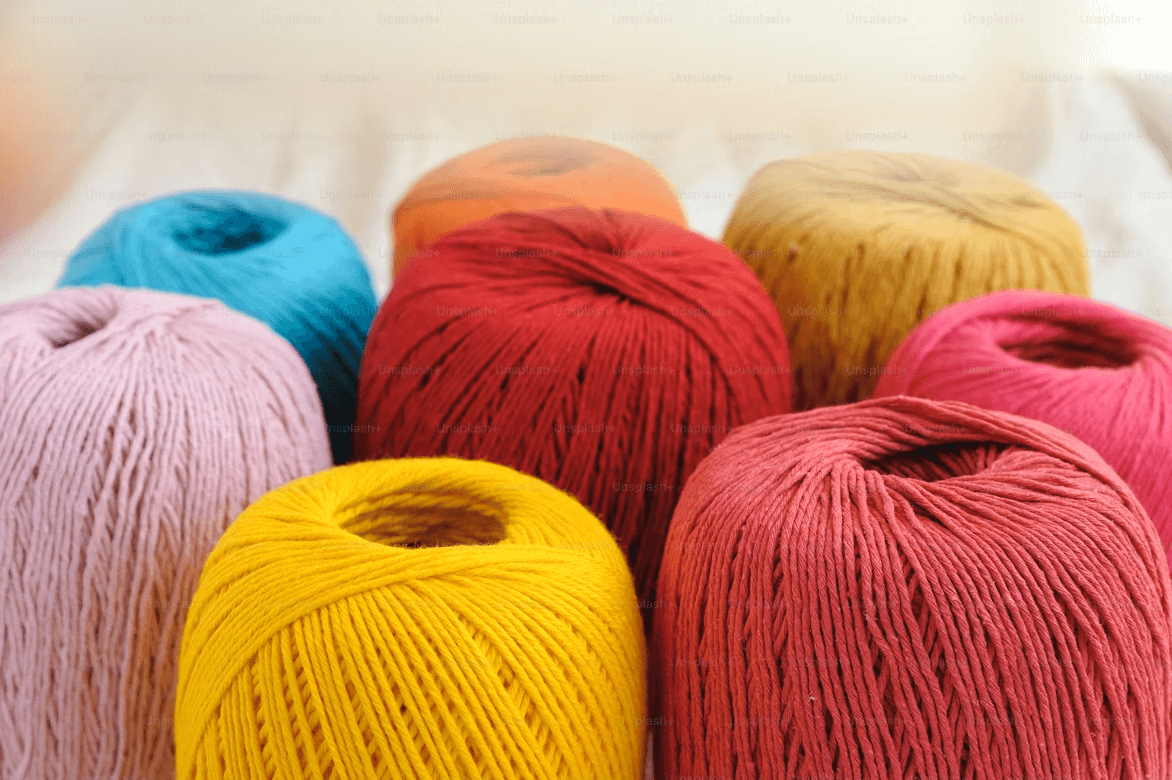
What Goes Into Every Piece
The materials.
Andean textile patterns are not decorative. They are cosmological. The condor — kuntur in Kichwa — represents the upper world, Hanan Pacha, and the realm of the divine. The serpent — amaru — represents the inner world, Ukhu Pacha, and the forces beneath the surface. The diamond grid — the most prevalent form in Andean textiles — represents the tension between opposing forces held in balance: male and female, sky and earth, stillness and movement. Each Urkaya textile is produced in ongoing dialogue with Carmen Quispe's cooperative. We do not commission patterns — we receive them, and we present them to the market with their meaning intact.
Natural Dyes
Indigo→Deep blue and blue-black
Cochineal→Crimson, rose, and pink
Achiote seed→Warm orange and terracotta
Walnut hull→Rich brown and charcoal
Chilca plant→Sage green and olive
No synthetic dyes. No chemical fixatives. Colours fixed using traditional mordants — alum, tannin, iron.
Symbolism
Every pattern is a cosmology.
Andean textile patterns are not decorative. They are cosmological. The condor — kuntur in Kichwa — represents the upper world, Hanan Pacha, and the realm of the divine. The serpent — amaru — represents the inner world, Ukhu Pacha, and the forces beneath the surface.
The diamond grid — the most prevalent form in Andean textiles — represents the tension between opposing forces held in balance: male and female, sky and earth, stillness and movement.
Each Urkaya textile is produced in ongoing dialogue with Carmen Quispe's cooperative. We do not commission patterns — we receive them, and we present them to the market with their meaning intact.
The Range
What we make.
Ponchos
Full-size, gender-neutral, in traditional and contemporary colourways. Each one is unique — the dyeing process guarantees it.
Scarves & Shawls
Lightweight, finely woven, year-round. Our most accessible entry point to Andean textile tradition.
Home Textiles
Table runners and cushion covers for the interior-conscious customer.
Coming Soon
Tailored pieces in collaboration with Quito-based contemporary designers. Andean craft, global cut.
Caring for natural textiles.
Washing
Hand-wash only in cold water with gentle wool detergent. Do not machine wash.
Drying
Lay flat to dry — never hang, as this distorts the weave.
Storage
Fold, do not hang, for long-term storage. Cedar blocks will protect against moths naturally.
Natural dyes
Colours will soften gently over time — this is the beauty of natural dyeing, not a defect.
The Collection